
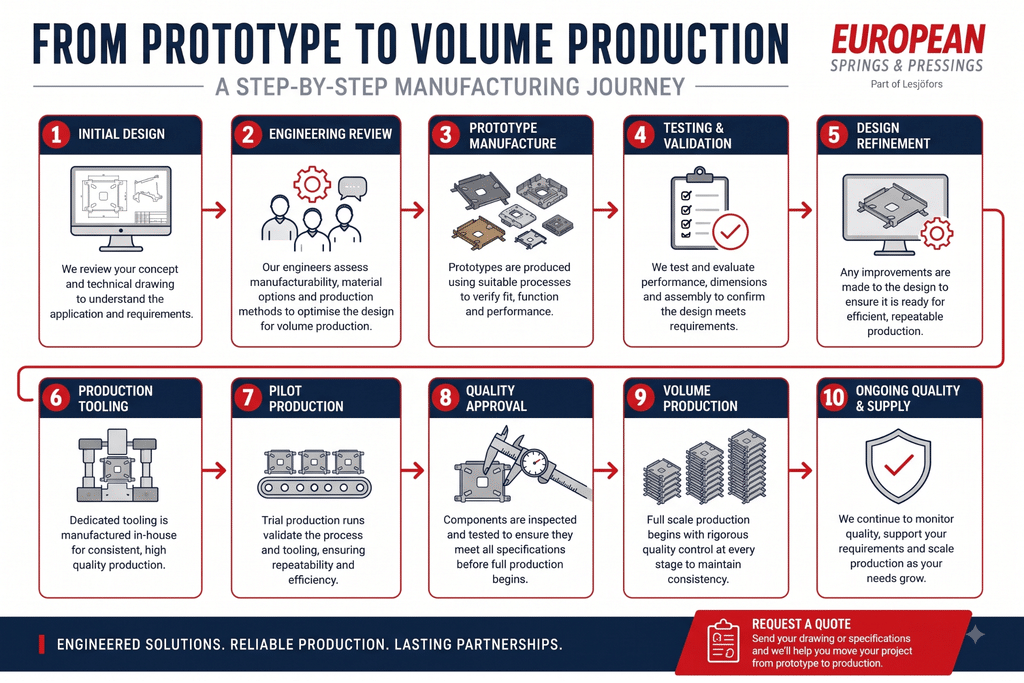
A prototype confirms that a component can perform as intended. Manufacturing that same component consistently across 10,000 parts or more is a completely different stage of the project.
As production scales, every detail matters. Materials need to remain consistent from batch to batch. Tooling must produce reliable results. Tolerances need to be maintained, and quality checks must be built into the manufacturing process from the start.
Many businesses reach a point where the design is proven, but the manufacturing process still needs refining before production can begin. Working with a manufacturing partner that supports every stage helps reduce delays, improve consistency and keep projects moving forward.
At European Springs & Pressings, we support customers throughout the manufacturing process. From design support and prototyping to tooling, production and assembly, our engineering teams work closely with customers to help turn successful prototypes into reliable production components.
Why a Successful Prototype is Only the Beginning
One of the biggest misconceptions in product development is that a working prototype is ready for full production. A prototype demonstrates that the design performs its intended function. It does not always reflect the most efficient manufacturing method or the most suitable production process.
During the prototyping stage, engineers review whether the component can be manufactured consistently while maintaining the same quality across every production run. Questions asked at this point revolve around production efficiency, tolerance viability and material suitability. Engineers must determine if the design can be produced consistently at high speeds without manual intervention.
They also need to evaluate whether the specified tolerances are realistic for volume manufacture without causing high rejection rates. It is equally important to confirm if the chosen material is commercially and technically suitable for larger production batches over an extended period. Answering these questions early helps avoid unnecessary redesigns once production is underway.
Engineering Review Before Production Begins
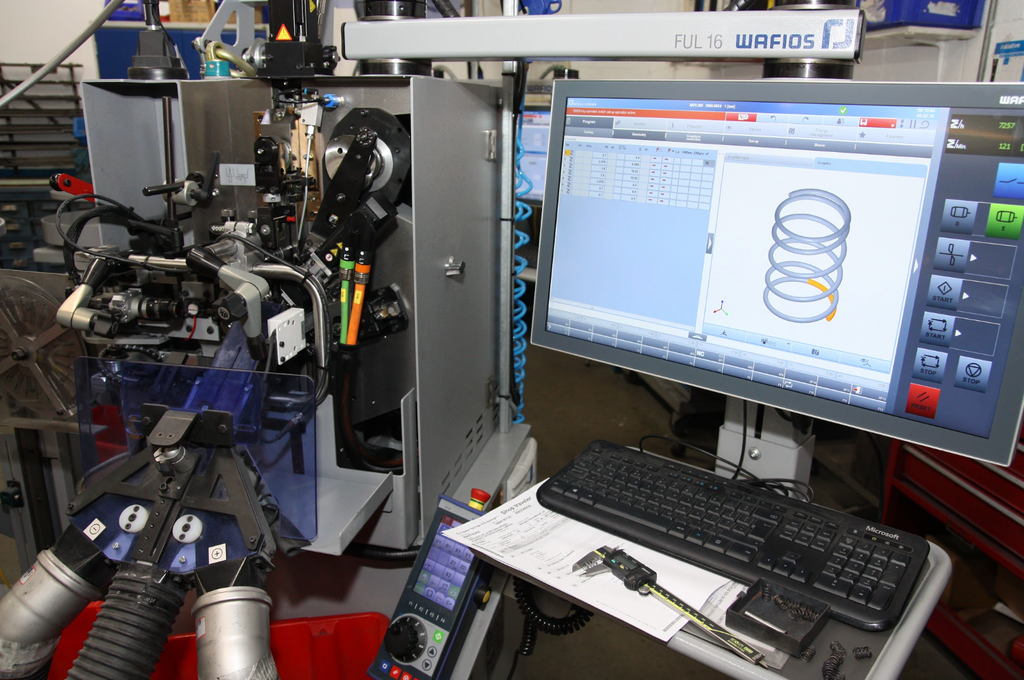
Before tooling is manufactured, an engineering review helps identify opportunities to improve manufacturability without affecting how the component performs. Small adjustments can make a considerable difference to production efficiency. In many cases, changes that are barely noticeable on a drawing can reduce manufacturing time, improve consistency and extend tooling life.
This collaborative review typically covers:
- Material selection: Choosing the right grade based on the application and projected production volume
- Manufacturing tolerances: Balancing performance requirements with long term reliability on the factory floor
- Forming geometry: Adjusting bend radii, coil structure or formed features to support stable continuous production
- Assembly considerations: Ensuring seamless integration where multiple components fit together in the final product
Rather than waiting until production reveals an issue, these discussions take place before tooling is commissioned. Changes are quicker and more cost effective to implement at this stage.
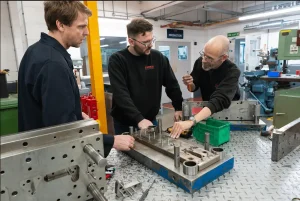
Our engineers work collaboratively with customers throughout this process, helping refine designs where required while keeping the original performance requirements central to every decision.
Production Tooling Sets the Standard
Once the design receives final approval, production tooling becomes the foundation of the manufacturing process.
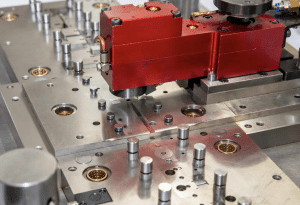
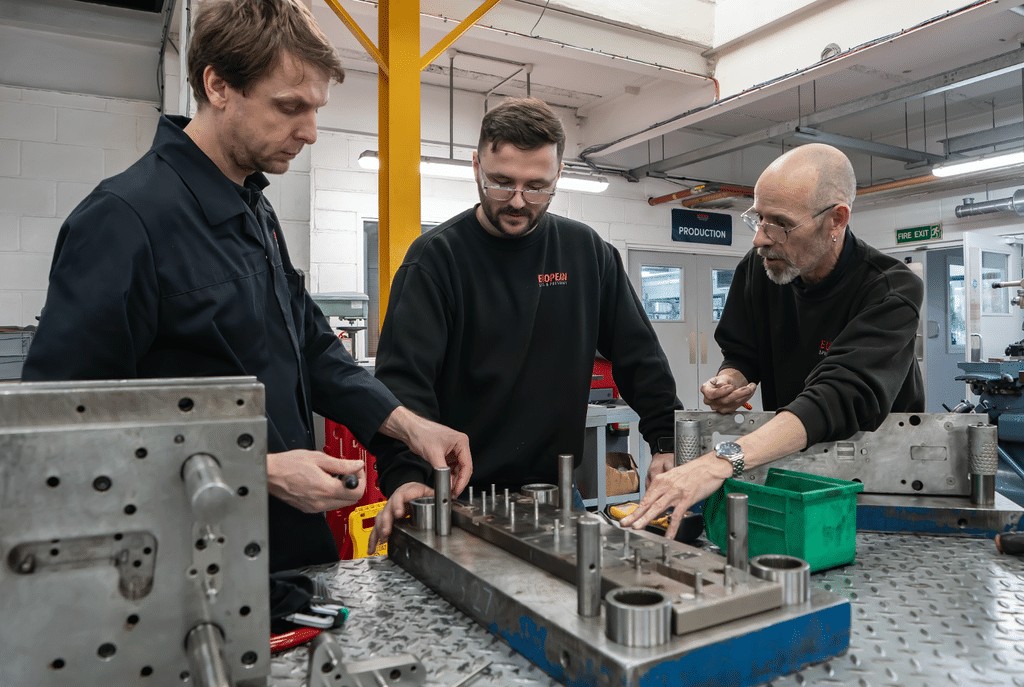
Unlike prototype tooling, production tooling is designed for precision over long runs. Every spring, pressing or formed components need to be manufactured to exact specifications, whether it is the first part produced or the ten-thousandth.
Investing time in tooling design at the beginning of a project reduces variation later. This helps maintain consistent quality, reliable lead times and predictable production performance.
Pilot Production Proves the Manufacturing Process
Before moving into full production, manufacturers typically complete a pilot production run. This stage confirms that the manufacturing process, tooling and inspection methods all perform as expected under actual production conditions.
The objective is straightforward: every component should meet the agreed specification consistently, rather than relying on operators making manual adjustments during manufacture.
A pilot run also gives customers confidence before larger production volumes begin. Any refinements can be made while production quantities remain manageable, helping avoid severe disruption later in the project schedule.
Material Consistency Matters as Production Scales
Choosing the correct material is a critical first step, and maintaining consistency throughout production is equally vital. Differences between material batches can affect forming characteristics, spring performance and finished dimensions. These variations might seem small, but across thousands of components they can significantly influence product quality and assembly performance.
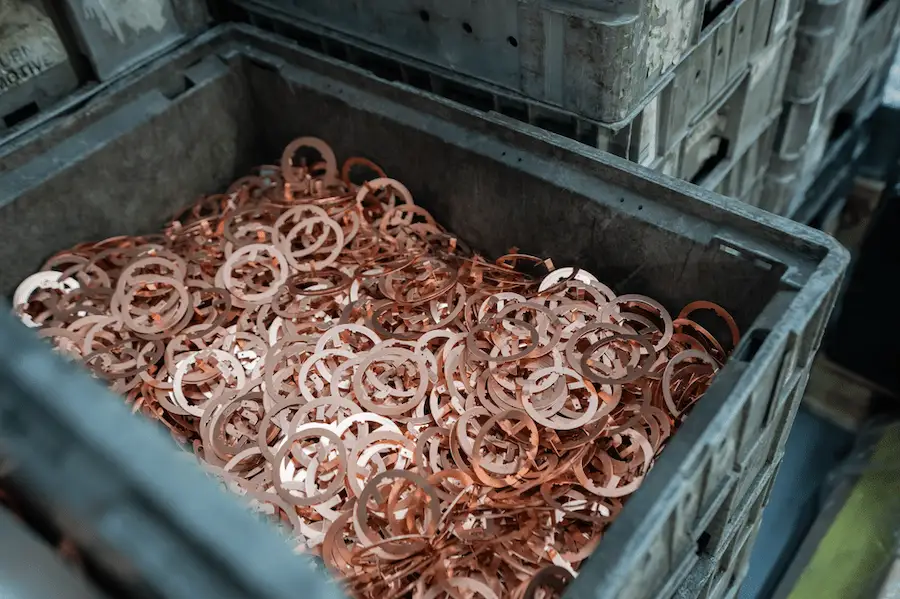
Working with an experienced manufacturer helps minimise this risk through controlled purchasing, approved material specifications and strict production processes. We manufacture pressings and formed parts using a wide selection of materials to suit demanding applications across industries including automotive, aerospace, medical, electronics and industrial manufacturing.
Quality Control Built Into Every Stage
Quality inspection should never be treated as the final step. It needs to run seamlessly throughout the manufacturing process. Checks carried out during production allow any variation to be identified before it affects larger batches. This reduces waste and helps maintain strict production schedules.
A structured quality process involves:
- Raw material verification: Checking all materials before they enter the manufacturing floor
- In process inspection: Monitoring dimensional accuracy continually as components are formed
- Performance testing: Conducting load or dynamic testing where specific mechanical properties are required
- Final approval: Inspecting finished batches against the agreed customer specification
- Complete traceability: Maintaining batch records throughout production to provide total confidence that components delivered months apart continue to meet the original standards.
Planning for Volume Production From the Start
One of the most frequent causes of production delays is treating prototyping and volume manufacturing as separate stages instead of planning for both from the beginning. Working with one manufacturing partner throughout the process improves communication. Design decisions, tooling development and production planning remain connected. This reduces the risk of vital information being lost between different suppliers.
During early development, engineering teams should evaluate how the component will be manufactured at higher volumes and whether the initial tooling design will support future demand spikes. It is also essential to determine if production output can be increased without changing the core design.
Partnering for Complete Manufacturing Success
Moving from prototype to production involves more than manufacturing individual parts. It requires engineering input, production planning and consistent quality at every stage.
Working with a single manufacturing partner brings those stages together. Design decisions are reviewed with production in mind. Tooling is developed alongside manufacturing requirements, and quality processes are established before volume production begins. This creates a more efficient process and reduces the risk of unexpected issues once machines start running.
At European Springs and Pressings, we support customers throughout this entire journey. Alongside the manufacture of precision springs, pressings and wire forms, our capabilities include CAD supported design, prototyping, tool making, precision stamping, laser cutting, multi slide production, assemblies and quality assurance. Bringing these services together under one roof helps customers progress from an initial concept to reliable production with true confidence.
If you are preparing to move a spring, pressing or wire form from prototype to production, request a quote from our engineering team. We will review your design, discuss your manufacturing requirements and help identify the most practical route to reliable volume production.