
No matter how good your initial design is, if there’s a disconnect between the stages of production, your project may struggle. Springs and pressings can perform well in prototypes and pass early validation, but then experience wear, failure or variability when production ramps up.
By that stage, tooling is committed, options are limited, and every change costs more than it should.
Collaborative engineering exists to solve this issue by addressing manufacturability, material choices, and performance limits early, before they impact cost, quality, or delivery.
What are the challenges when moving from prototype to mass production?
A spring or pressing prototype has the benefit of controlled conditions, low cycle counts, and manual adjustment. Mass production removes those allowances, leading to challenges such as:
- Increased cycle rates accelerating wear and fatigue.
- Tolerance stack-up becoming visible across batches.
- Variability caused by material batches or forming direction.
- Tool alignment and repeatability degrading over time.
A spring that performs reliably during prototype testing may behave differently once in production. A pressing that looks acceptable in short runs may suffer from cracking once under production loads.
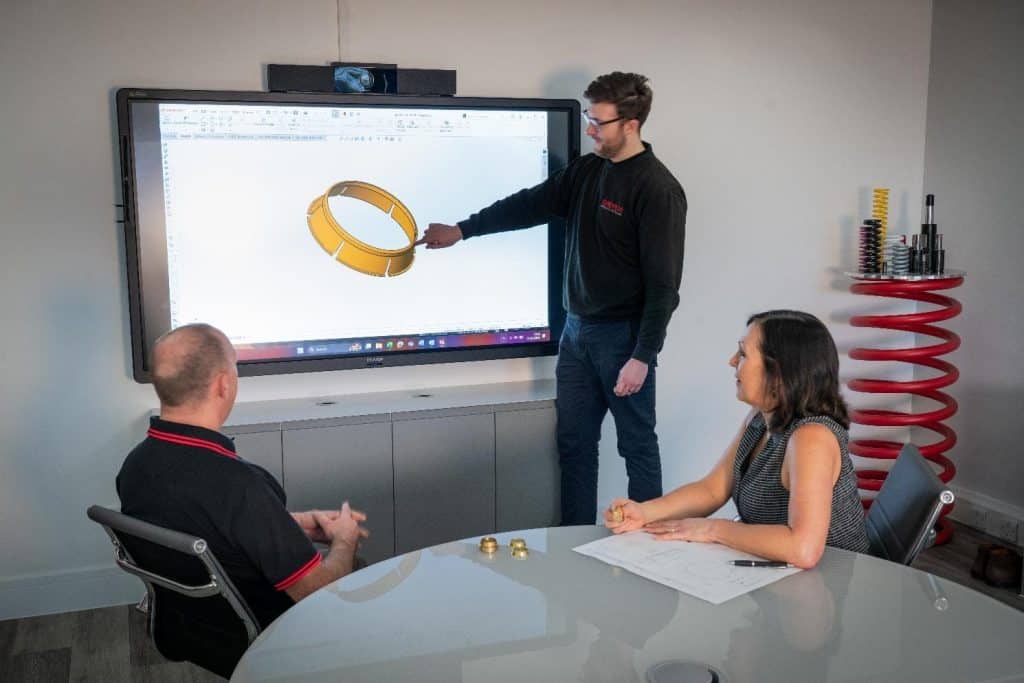
These issues are more likely to surface when design and production are split across multiple suppliers. As a spring manufacturer, we handle projects from early CAD design through tooling and high-volume production. This eliminates handoffs, ensures engineering decisions remain consistent, and provides faster project timelines.
What causes delays in overall manufacturing lead times?
It doesn’t take a major failure to cause manufacturing delays. Common contributors include:
- Custom spring designs requiring modification after tooling or validation.
- Material selections that perform in test but struggle at volume.
- Pressings that need tool rework due to tolerance issues.
- Manufacturing constraints found after designs have been locked in.
By the time these issues appear, the lowest-cost fixes are no longer available.
Equally, if you’re dealing with different suppliers, it can be even harder to navigate different schedules and deadlines. Merging multiple suppliers helps you stick more closely to deadlines and reduces the number of people you’re communicating with.
How to avoid production issues?
Avoiding production issues means designing components with manufacturing constraints in mind from the outset.
That includes reviewing designs with spring suppliers who understand fatigue behaviour and load cycles, designing pressings around forming limits and repeatability, and selecting materials based on long-term behaviour.
The earlier these considerations are addressed, the fewer problems appear later on.
What is the benefit of involving suppliers in the product design process?
Involving suppliers early on protects against engineering risk.
Experienced spring manufacturers and pressings specialists can challenge assumptions early, including:
- Whether a spring design will achieve its required fatigue life.
- Whether tolerances are repeatable at production volumes.
- Whether material choices perform well, whilst incorporating availability and cost.
- Whether pressings will remain stable as tools wear.
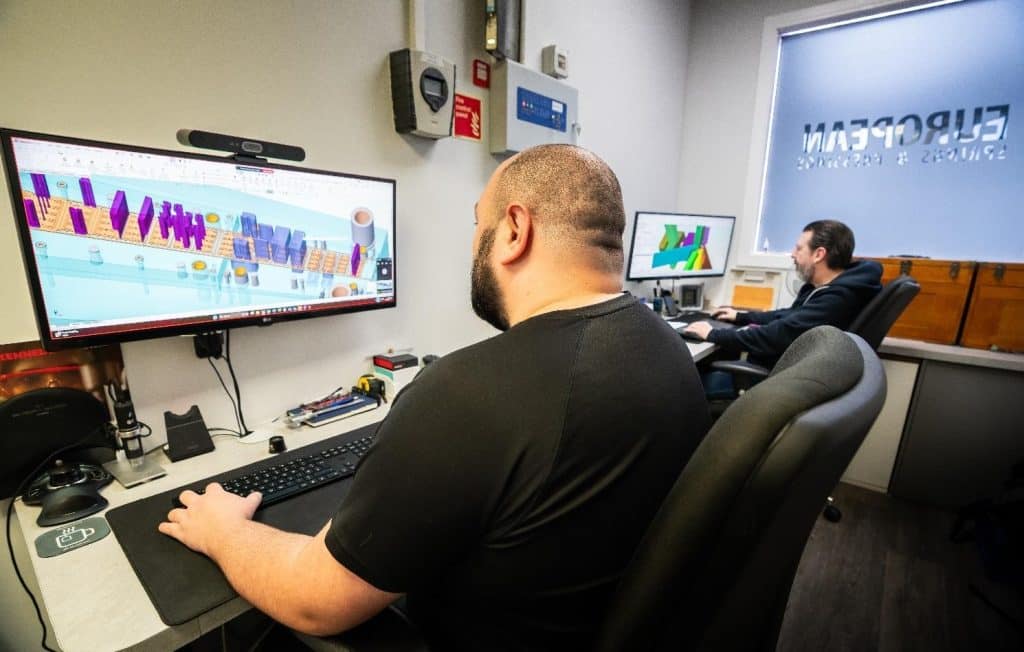
As custom spring manufacturers with in-house engineering capabilities, we test products under real manufacturing conditions, while changes are still manageable.
Collaborative engineering with European Springs & Pressings
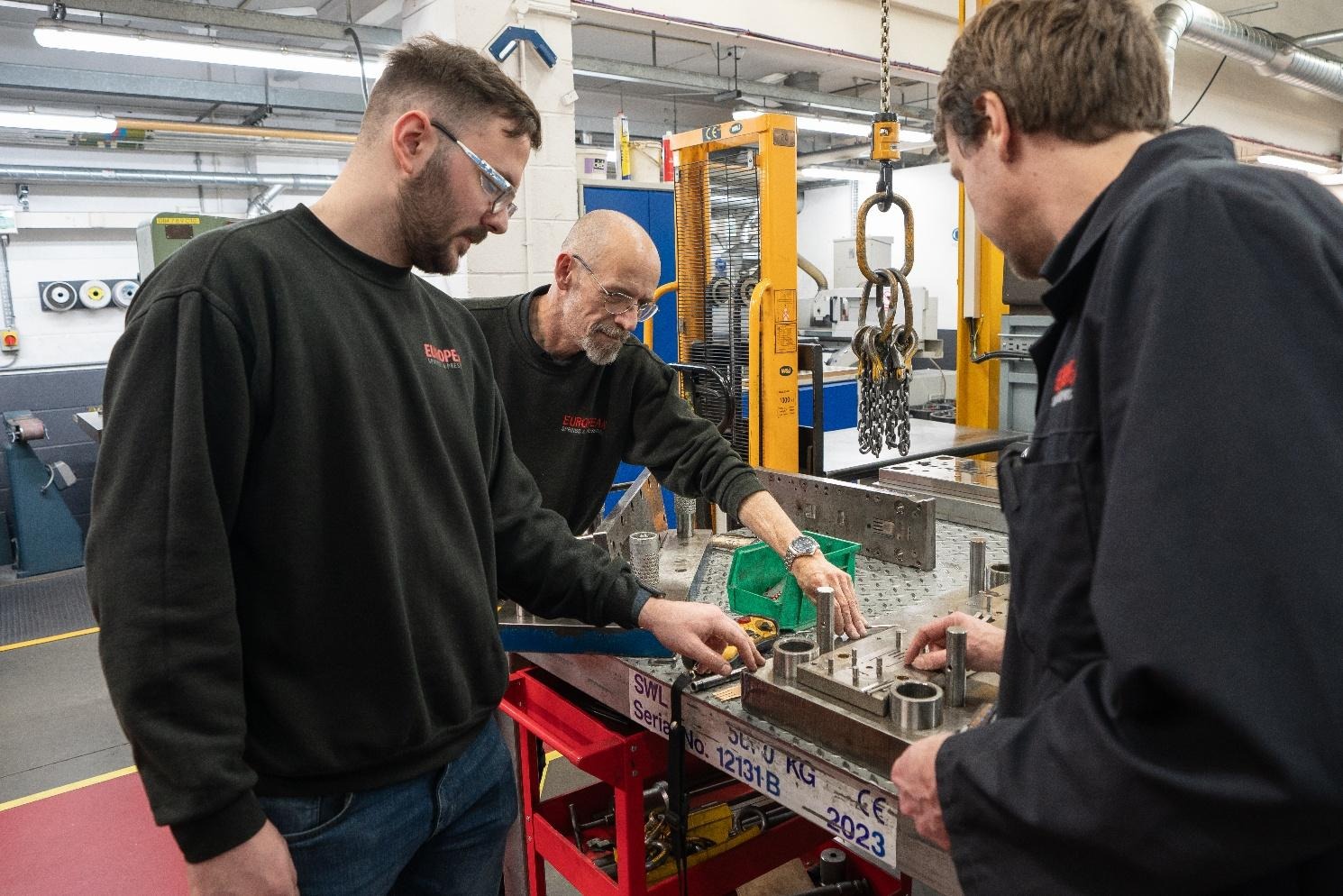
Collaborative engineering is how we work here at European Springs & Pressings. As both spring and pressing specialists, our engineers will communicate with you during every stage of the project for total transparency.
Early Design Review
Designs are reviewed by engineers with hands-on experience in custom spring design, press tooling, and high-volume manufacturing. Potential issues around fatigue life, formability, tolerances, and material selection are identified before they become embedded in tooling.
Manufacturing-Led Design Feedback
Because we design and build our own tools, feedback comes from real production experience. Our recommendations focus on improving repeatability, extending tool life, and reducing risk without compromising the functional intent of the component.
Material and Performance Validation
Our engineers assess material choices against requirements for strength and load capacity, corrosion resistance, temperature range and electrical conductivity, selecting the right option from our range of high-quality materials.
Clear Engineering Communication
Our design teams work directly with engineers, allowing informed decisions to be made quickly. This doesn’t just apply to internal communication, but as a customer, you’ll also receive updates throughout the making of your product.
Integrated Tooling and Production
With tooling and manufacturing in-house, potential issues are resolved without the delays caused by multiple supplier handoffs. This shortens development timelines and reduces the risk of late changes.
The result is fewer engineering changes, smoother production, and components that perform consistently throughout their intended life.
If your project is under pressure due to spring or pressing performance late in development, partner with us for expert collaborative engineering and hands-on support. Request a quote now to enter your next project with confidence.