
The stability and safety of any vehicle rely directly on the integrity of the coiled steel under its wheel arches. Choosing the right manufacturer for automotive suspension springs dictates whether a fleet performs predictably for years or requires constant maintenance. Engineers and procurement teams understand that evaluating a supply chain partner means looking far beyond unit cost.
A reliable supplier brings proven engineering expertise, exact production processes, and strict quality assurance to the table. European Springs and Pressings has supplied the automotive sector since 1948. Through decades of designing components for commercial lorries, passenger cars, and motorsport vehicles, our team understands exactly what makes a suspension system last.
Identifying Vehicle Load and Driving Requirements
Automotive applications differ considerably based on the intended use. A component designed for a standard daily commuter car prioritises passenger comfort alongside factory ride height. The engineering focus here remains on balancing load distribution while absorbing minor road imperfections.
Heavy commercial towing vehicles or agricultural equipment demand a completely different approach. These applications require uprated springs with a higher spring constant. Stiffer rates prevent the chassis from bottoming out under extreme payloads because transporting heavy goods places immense continuous stress on the assembly.
Track day cars present another unique challenge. These environments require progressive rate springs that stiffen as they compress during aggressive cornering. Pairing the component to the exact driving requirement forms the foundation of a successful design process.
An experienced fabrication partner will evaluate specific variables before manufacturing begins, including:
- Total chassis weight and load distribution
- Expected operating temperatures
- Available space within the wheel arch
- Desired ride height and handling characteristics
- Exposure to corrosive environmental factors
What Are the Essential Material Specifications for Automotive Springs?
The raw material dictates the fatigue resistance and lifespan of the final product. Automotive environments expose metal to constant stress, road salt, moisture, and fluctuating temperatures.
Engineers must specify high-tensile steel alloys to prevent early sagging or structural failure. Silicon chromium and silicon chromium-vanadium alloys serve as the industry standard for premium automotive applications. Some specialised environments require even higher specification materials. Our engineering team frequently works with titanium alloys, copper alloys and superalloys like Inconel, Hastelloy and Nimonic to meet highly specific temperature or corrosion resistance requirements.
Your selected manufacturer must have reliable access to these specific grades to prevent supply chain interruptions. European Springs and Pressings holds over 2,000 tonnes of material in stock, including the largest supply of silicon chrome wire in the United Kingdom. This extensive inventory guarantees that production runs remain entirely on schedule.
The Role of Surface Treatments in Preventing Component Failure
Bare metal degrades rapidly when exposed to the elements underneath a vehicle. Surface treatments determine longevity just as much as the base material selection. Quality manufacturers apply advanced mechanical and chemical treatments to protect the metal completely.
Shot peening remains a key process for automotive applications. This technique consists of bombarding the metal surface with small spherical media to put the outer layer into a state of compressive stress. This action significantly increases fatigue strength and helps prevent microcracks from forming.
Following mechanical treatments, the components require protective coatings. A heavy layer of polyester gloss or vinyl powder coating drastically improves corrosion resistance against winter road conditions and harsh chemicals. Our facilities feature a dedicated 700 square- metre powder coating line to ensure every component receives a perfect, durable finish before dispatch.
How Does Manufacturing Capability Influence Component Quality?
Winding wire into a coil is only one part of the fabrication process. Modern automotive supply chains require partners who provide comprehensive engineering support from the initial CAD design right through to final assembly. When evaluating a manufacturer, you must examine their in-house equipment and testing protocols closely. Precision CNC machinery guarantees absolute consistency across the entire production run.
Whether you order ten prototype units or three million parts, the dimensions and force ratings must remain identical. We operate the latest large-scale spring coiling machines capable of winding wire diameters ranging from 0.33 millimetres, and we handle suspension springs up to 65 millimetres.
Quality assurance protocols separate premium manufacturers from budget suppliers. Ask potential partners if they conduct eddy current testing to detect microscopic surface flaws in the wire. Load testing is equally important because it verifies that a component maintains its load rating over its expected lifespan without sagging. Operating under ISO 9001 and ISO 14001 certified quality management systems guarantees these strict checks happen consistently across every single batch.
Supporting Bespoke Prototyping and Scaling
Automotive development often requires bespoke solutions. Standard parts frequently fall short when dealing with custom suspension geometries or specialised industrial transport designs. You need a partner qualified to tailor the wire diameter, total length, force, movement and damping characteristics to your exact specifications.
Prototyping allows design teams to validate performance on a test track before committing to full-scale production. Working with a supplier who offers rapid prototyping helps refine the design early. Small adjustments to the coil pitch or wire thickness can dramatically alter vehicle handling.
Once the design is validated, that same manufacturer must possess the capacity to scale up production. We operate from two factories in Cornwall and a third in Kent. This extensive footprint permits efficient scaling from single bespoke prototypes to high-volume manufacturing runs. We also hold membership with the Institute of Spring Technology, demonstrating our ongoing commitment to advancing manufacturing standards.
Partnering with an Experienced Fabrication Expert
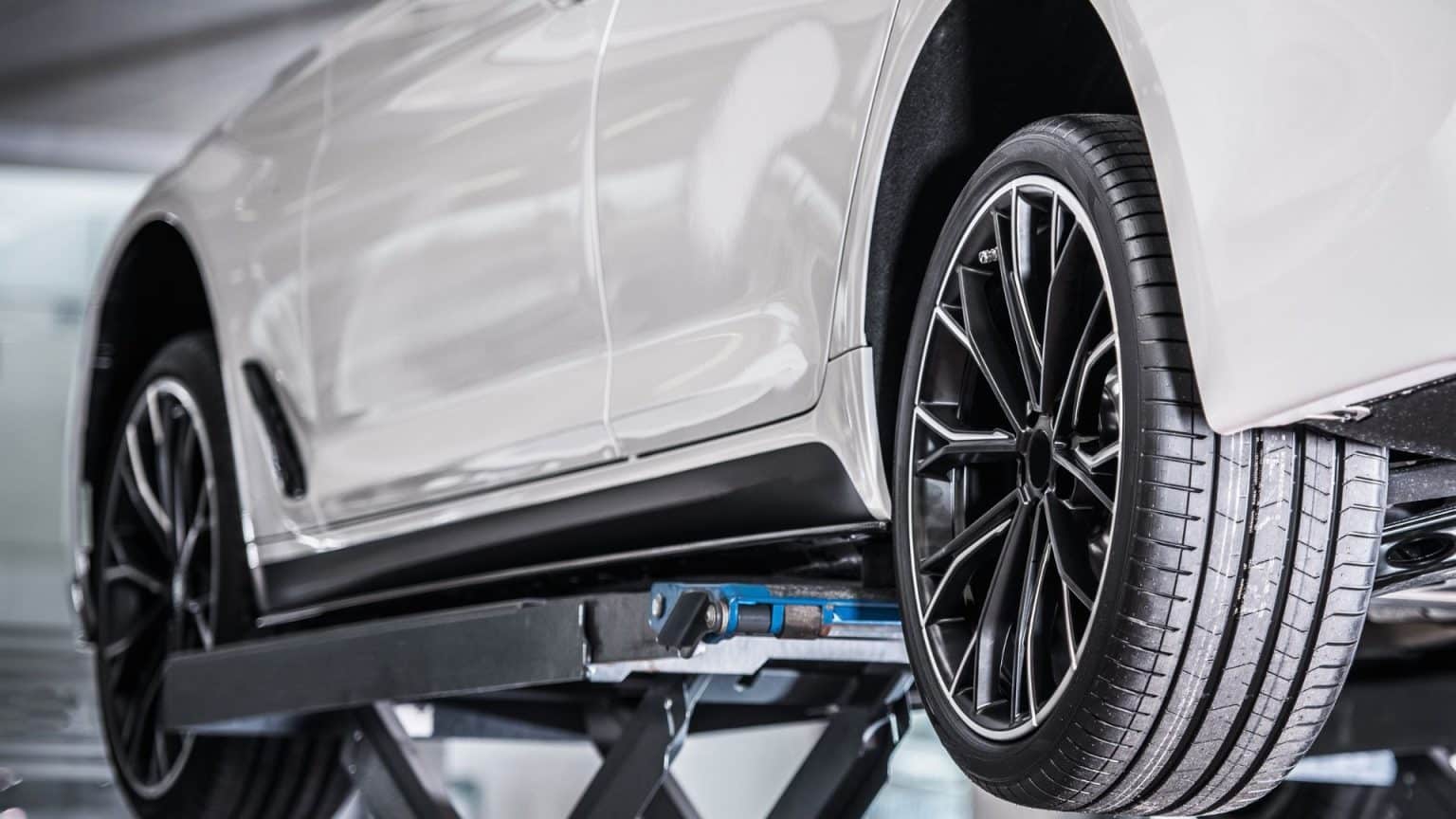
A suspension spring absorbs impacts, maintains tyre contact with the road and supports the total mass of the vehicle. Sourcing these components requires complete confidence in the engineering capabilities of your chosen partner.
European Springs and Pressings has manufactured custom components for over seven decades. From agricultural machinery to performance race cars, we provide precise engineering supported by comprehensive testing and strict quality control.
We understand the specific demands of the automotive sector and maintain the technology required to deliver durable parts on time. If you are planning a new automotive project or require an experienced fabrication partner, request a quote today to discuss your exact specifications and explore our bespoke manufacturing services.