
Modern manufacturing relies on its components to keep production efficient. One small error in the process? That causes a chain reaction that has the potential to damage your reputation, cause issues for your customers, and add delays you don’t need.
Metal pressings and wire forms are two of the most critical elements for industries ranging from automotive to medical devices.
This guide will go through:
- How these processes work
- The materials used
- How to choose the right manufacturing partner
What is Precision Metal Stamping?
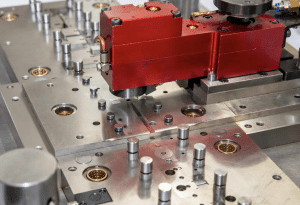
Stamping (or pressing) is the process of turning flat sheets or coils of metal into specific shapes, using specialised machinery. These terms are often used interchangeably within this industry.
When creating metal pressings, we take care of the whole process:
- Design: Whether you’ve got initial drawings or not, our team will design your metal pressing using advanced CAD software before it goes into production.
- Prototyping: If it’s a smaller batch order, we’ll often prototype the product to ensure perfect component tolerances.
- Punching & Blanking: Cutting a shape out of the material for further processing.
- Bending & Flanging: Shaping the material in one direction or along a curved edge.
European Springs & Pressings can stamp materials ranging from 0.05mm to 6mm thick using powerful machinery, including up to 130-tonne presses.
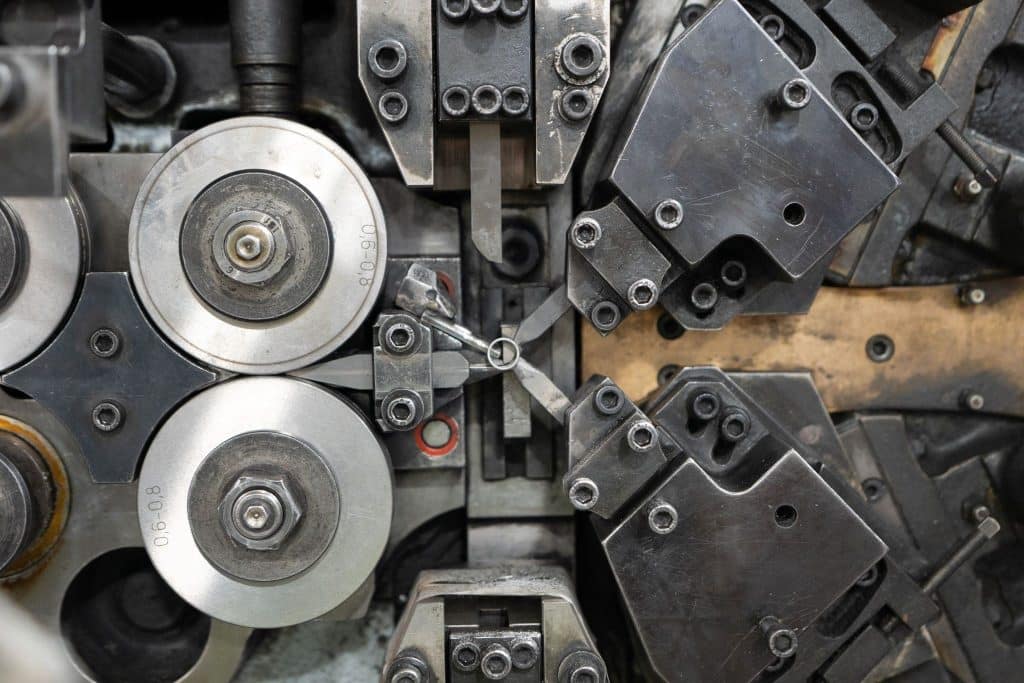
Understanding Wire Forms
Both serve incredibly important purposes in machinery, but there are differences between wire form springs and flat spring pressings. The former uses coiled wire and requires more physical depth, and the latter is excellent for tight, restricted spaces while still offering high stress tolerance.
Wire forms are incredibly versatile and can be manufactured in almost any shape to meet specific project needs. Common uses include electrical contacts, retaining clips, and linkages.
Spring Materials for High-Performance Components
Choosing the right material is vital to prevent straining, creasing, and cracking during the stamping process.
We frequently work with:
- Carbon and Stainless Steel: Versatile and popular for a variety of shapes.
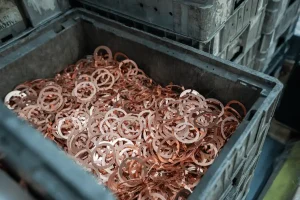
- Beryllium Copper: Excellent for components requiring strength, electrical conductivity, and corrosion resistance.
- Brass: Ideal for precision pressing and wire form applications due to its outstanding machinability, bright finish, and consistent electrical conductivity.
- Specialist Materials: We’ve got capabilities with high-temperature super alloys like Inconel and Hastelloy, as well as non-metallics like Melinex.
Why Partner with Specialist Wire Form Manufacturers?
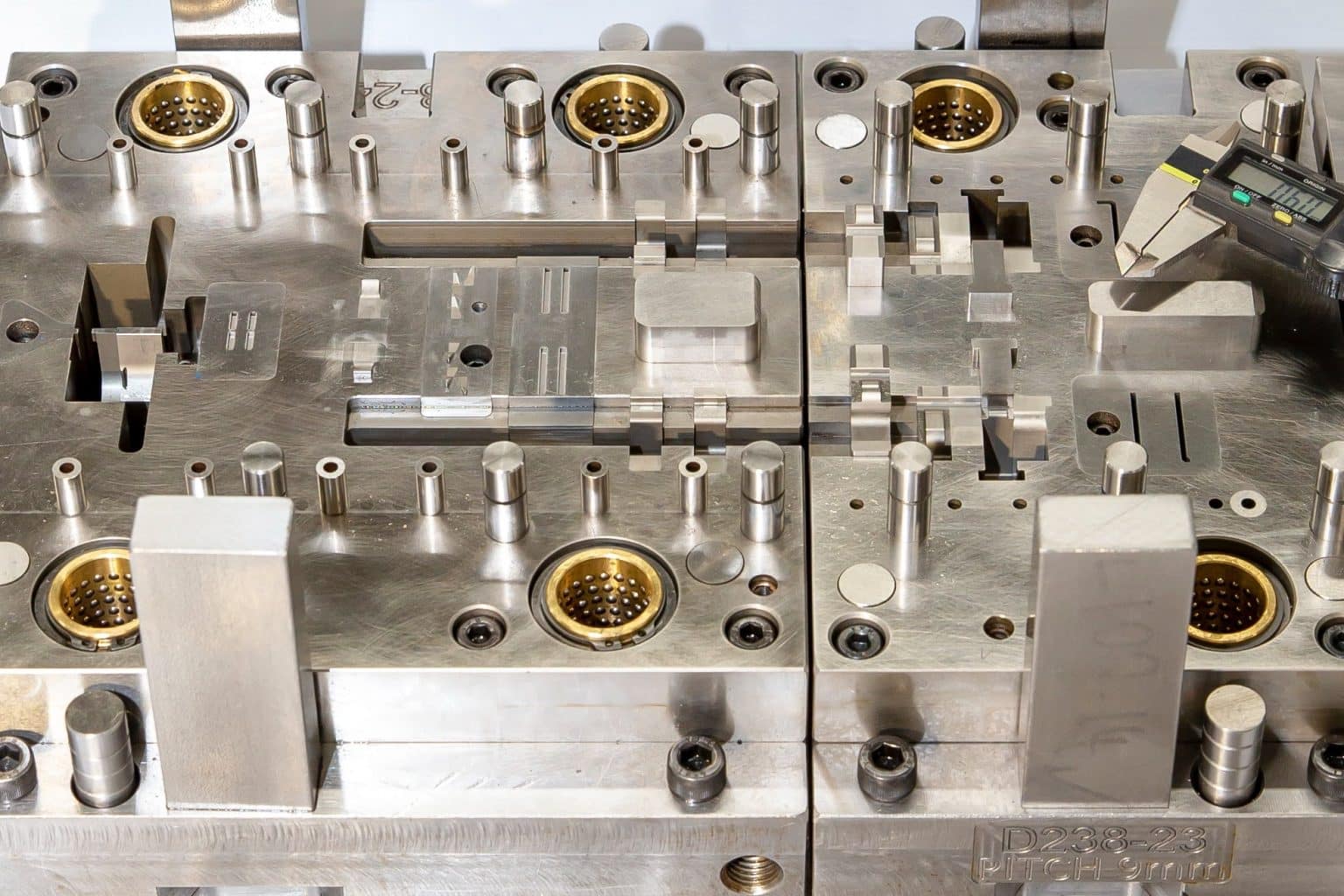
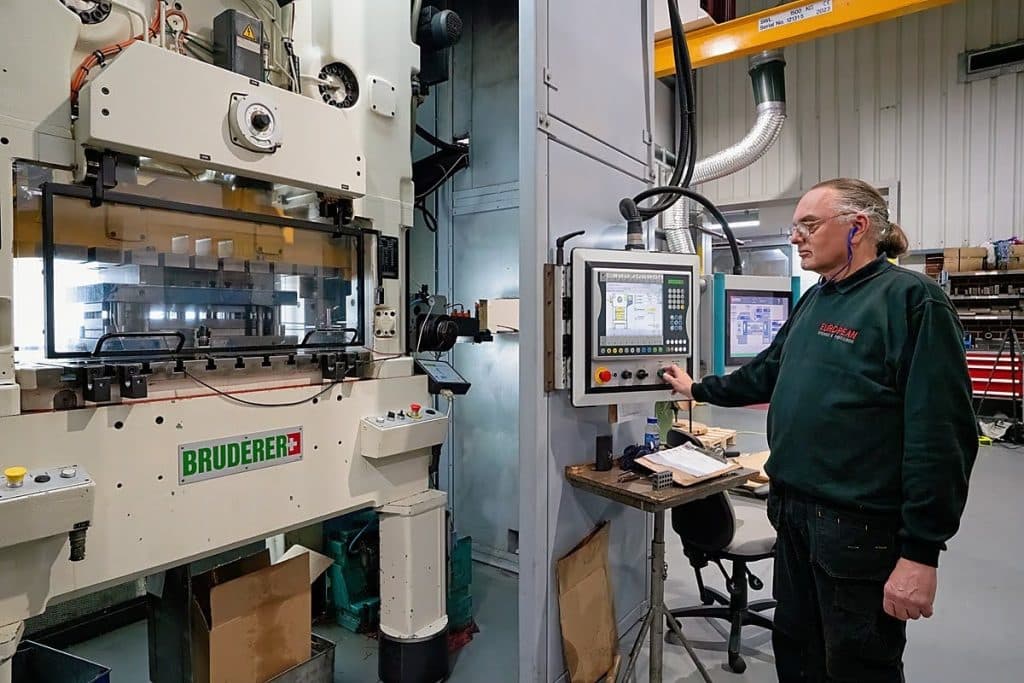
Partnering with experienced wire form manufacturers and stamping specialists is critical for scaling production. Our investment in automated production using advanced progression tools, including Mabu Zani, SMV, and Bruderer ppresses, which allow for cost-efficient, high-volume manufacturing.
Additionally, we’re fully ISO 9001 certified and provide full-service solutions from CAD design and 3D rendering to final assembly.
Whether a project requires intricate wire forms or high-volume metal pressings, precision engineering is non-negotiable. Contact our engineering team with your drawings or project requirements for tailored solutions.