
When manufacturing aerospace precision parts, success relies entirely on selecting the correct material. Components must withstand extreme environments, repeated loading, and fluctuating temperatures without failing. For buyers sourcing from a precision parts UK-based supplier, understanding strict aerospace specifications is an early and vital engineering decision.
At European Springs and Pressings, our precision aerospace engineering team works with customers who manufacture components that meet these exact demands. From bespoke springs to complex pressings, choosing the right alloy ensures safety and extends the component’s service life.

Why Material Selection Matters in Aviation Engineering
Modern aircraft rely on thousands of intricate metal components. Springs and precision pressings may appear small compared to the fuselage, but they govern vital movements and tensioning systems. A material that performs well in a standard environment may fail under high stress or extreme thermal changes.
Engineers must carefully balance operating temperatures, corrosion resistance, fatigue life and weight constraints. Optimising these properties reduces maintenance requirements and improves overall mechanical reliability.
Core Metals and Alloys for Flight Operations
The operating environment dictates the material required. Different sections of an aircraft encounter distinct physical conditions. The following materials are regularly utilised to meet strict manufacturing standards.
Stainless Steel
Stainless steel remains a widely used material for aviation applications. It offers excellent corrosion resistance, dependable mechanical strength, and consistent performance across a broad spectrum of temperatures. For many tensioning and compression spring applications, stainless steel delivers the durability and cost efficiency required for extended service.
Aluminium Alloys
Aluminium is favoured for its exceptional machinability and low density. Weight reduction is a primary objective in aircraft design since lighter planes consume less fuel and offer better aerodynamic efficiency. Aluminium alloys provide sufficient strength for fuselage frames and interior seating brackets while keeping the overall mass strictly controlled.
Inconel
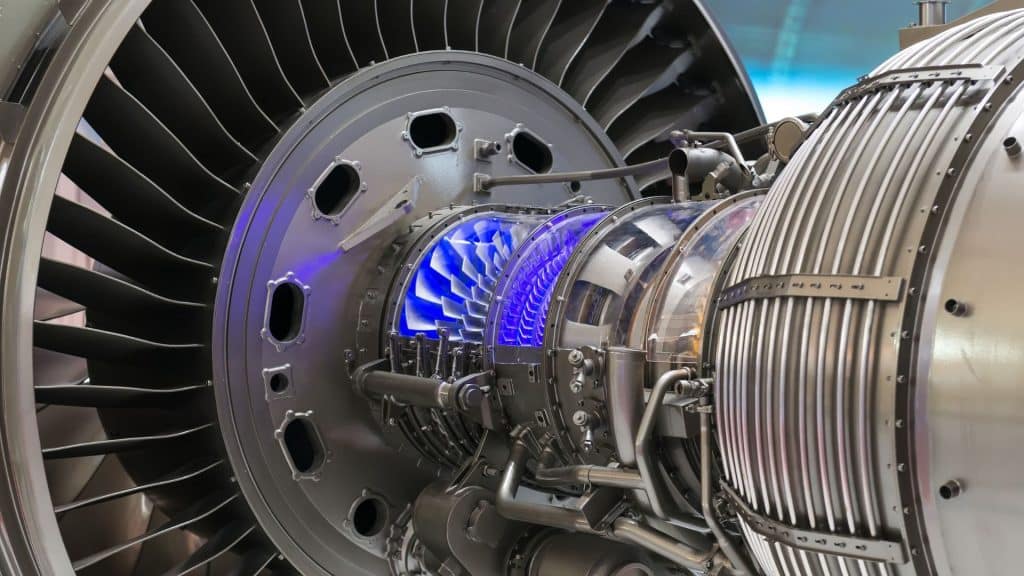
When components are located inside engine compartments or exhaust systems, standard metals lose their mechanical integrity. Inconel is a nickel-based superalloy frequently chosen because it maintains its structural properties and resists oxidation in environments where extreme heat and cyclic physical stress remain constant. It is ideal for demanding applications where thermal expansion must be tightly controlled.
Nimonic
Nimonic alloys are engineered for continuous operation at severely elevated temperatures. Their exceptional creep resistance and high temperature strength make them highly suitable for components operating close to combustion chambers and turbine engines.
Titanium Alloys
Titanium provides an exceptional strength-to-weight ratio alongside superior corrosion resistance. It is widely used for critical load-bearing points and engine housings. It allows manufacturers to shed excess weight while maintaining the immense structural strength required for safe operations.
Working with Specialist Materials
Some projects demand materials that offer very specific mechanical properties. Depending on the exact application, specialist alloys such as beryllium copper or phosphor bronze might provide improved fatigue resistance or electrical conductivity. Identifying the correct option before manufacturing begins helps avoid complex and costly redesigns later in the project lifecycle.
Why Early Collaboration Improves Manufacturing Results
Material selection represents just one aspect of producing reliable aerospace components. The physical geometry of a spring, the method of forming a metal pressing, and the chosen production tolerances all heavily influence how the finished product behaves in real-world applications.
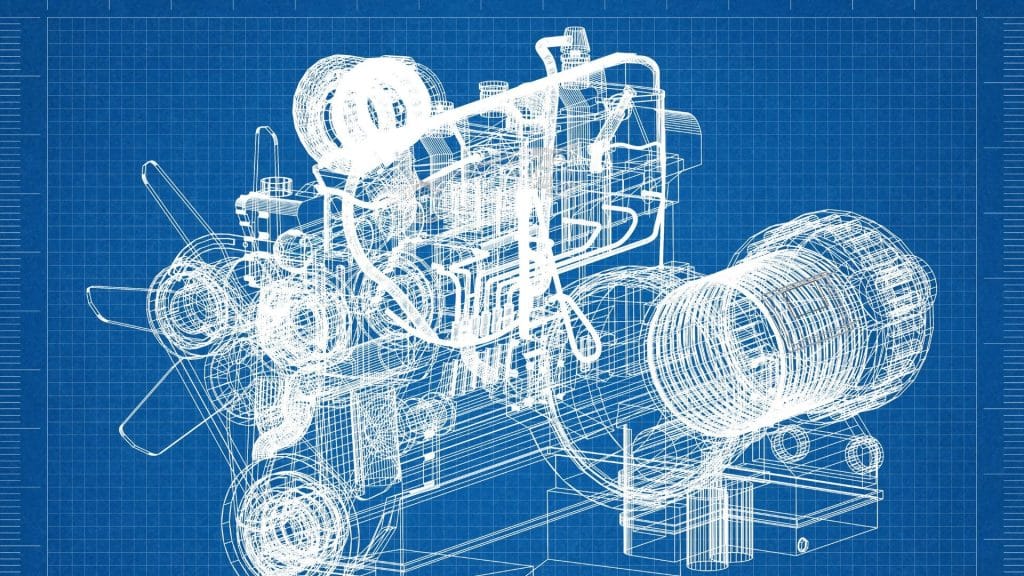
Partnering with an experienced manufacturer during the initial design phase allows engineers to identify potential mechanical issues before mass production starts. Minor adjustments to the material grade or component geometry can significantly improve fatigue life and reduce manufacturing complexity. Our technical teams support clients from initial computer aided design and physical prototyping through to full scale production. This integrated approach ensures that complex engineering requirements translate smoothly into practical production solutions.
Partnering with an Experienced Manufacturer
Sourcing reliable aviation components involves combining suitable materials with experienced engineering, accurate tooling, and rigorous quality control. European Springs and Pressings has manufactured precision springs, wire forms, and bespoke pressings since 1948. We support customers across the aerospace sector and the wider mechanical engineering landscape.
Whether you require a single functional prototype or a high volume production run, our experienced engineering team will help you identify the precise solution for your exact application. If you are developing a new aviation project or reviewing an existing mechanical design, Request a quote from European Springs and Pressings today to discuss your technical requirements and discover how our manufacturing expertise can support your next critical engineering challenge.
Frequently Asked Questions
How do you determine the best material for an aerospace spring or pressings?
Material selection depends entirely on the operating environment. Engineers evaluate the exact temperatures, exposure to corrosive elements, required fatigue life, and weight limits of the application. For high-heat areas like engines, nickel alloys like Inconel are typically chosen; conversely, high-stress structural areas often require titanium or specialist stainless steels.
What quality standards must manufacturers meet for aerospace precision parts?
Suppliers must adhere to strict international aviation standards, ensuring full material traceability and structural integrity. At European Springs and Pressings, quality assurance is embedded directly into the manufacturing workflow, from raw material inspection through to final testing of the completed components.
Can you develop prototypes before committing to high volume production?
Yes. Developing physical prototypes allows engineering teams to validate the design, test performance under simulated operational stress, and confirm the selected material behaves as intended. Full-scale multi-slide or coiling production only begins once the prototype meets all technical specifications.
Why is weight reduction so critical when selecting aerospace materials?
Shedding excess mass directly improves fuel efficiency, payload capacity, and aerodynamic performance. This is why materials with high strength-to-weight ratios, such as titanium and specific aluminium alloys, are highly favoured for structural parts and components, provided they can safely withstand the mechanical loads of the environment.