Torsion Spring Manufacturers

With over 70 years of expertise, we are one of the UK’s leading spring manufacturers. We provide ISO 9001-certified solutions across a diverse range of industries Whether you require bespoke components or high-volume stock orders, we provide reliable, high quality solutions tailored to your requirements.

Custom Torsion Springs & Stock Solutions

We supply custom springs and an extensive range of stock springs for industrial applications. We manufacture both single-coil and double -coil designs. Double coil springs consist of two single coils connected together.

Whether you need a specialised spring design for demanding operating conditions or standard stock torsion springs for immediate delivery, our team can advise on the spring type, material, dimensions and working conditions.

Do You Need Bespoke Torsion Springs?

Some applications require a custom component to meet specific design, space or operating requirements. Our engineering team provides support throughout the process, from initial concept and design through to the finished spring.

Our engineering team uses CAD/CAM software to create custom components in a range of shapes and sizes. This includes small torsion springs, large springs, extended length springs and double coil designs.

We can manufacture these products using wire from 0.1mm to 3mm. Body diameter, length, pitch and material can all be made to customer specifications.

Our engineers also consider environmental conditions, stresses and life-cycle requirements. These factors. This ensures the finished component is designed to meet the performance requirements of its application. 

View Our Torsion Spring Catalogue

As part of Lesjöfors, we supply standard products in the fine to medium weight category. We also provide custom solutions. Our torsion springs catalogue includes a range of wire springs for different applications.

Stainless Steel Torsion Springs

Our stainless steel torsion springs are manufactured from EN 10270-3-1.4310 material, making them suitable for applications where corrosion resistance and temperature performance are important. 

The material can perform at temperatures up to 150°C and is safe up to 250°C. It can also handle light movement and some dynamic use.

Overloading should be avoided at higher temperatures or during intense use. The full range is listed on pages 91 to 99 of our catalogue.

Torsion Spring Torque and Service Life 

Torque angle affects the performance and service life of these components. Our technical guidance provides the following lifespan expectations:

  • 100% of maximum angle torque usage (w): up to 10,000 cycles
  • 80% of maximum angle torque usage: 200,000 to 400,000 cycles
  • 70% of maximum angle torque usage: near-infinite lifespan 

The maximum permitted torque is shown as Mn. The torque angle at Mn is shown as w in the technical tables.

Using the spring within 70% to 80% of its maximum torque range can significantly improve durability.

Experienced Torsion Spring Suppliers

With over 70 years of experience producing these components, we manufacture springs for demanding applications and working environments.

Our modern CNC equipment allows us to produce components with high precision and minimal finishing.

Torsion springs have a linear characteristic. meaning Torque output increases in proportion to the degree of rotation. This makes them suitable for systems that need controlled storage and release of mechanical energy.

From initial design through to manufacture, our engineering team considers factors including spring dimensions, material, torque, movement and operating conditions to develop a component suited to the application.

What Are Torsion Springs?

Torsion springs, also known as torsional springs, are coiled springs that work through rotational movement. They are used when a component needs to rotate and return towards its original position.

The most common design is a cylindrical wound spring made from coiled metal wire that can be wound in a left-hand or right-hand direction.

The spring usually has legs where force is applied. There are single and double coil designs.

A single torsion spring has one coil, while a double torsion spring has two coils connected by a central section. Double-coil designs can provide increased torque and improved balance in suitable applications.

How Do Torsion Springs Work?

These components are usually mounted on a mandrel. Force is applied through the spring legs.

When the spring rotates, it stores mechanical energy. It then produces torque in the opposite direction.

Torque depends on the force applied and the length of the spring leg. The basic relationship is:

M = F × A

Here, M represents torque, F represents force and A represents leg length. Applying the load closer to the end of the leg creates less counterforce.

For example, a spring that provides 1 Nmm of torque at 10° can provide 2 Nmm at 20° when operating within its linear range.

What Is the Difference Between Single and Double Torsion Springs?

A single coil design has one coil. It is suitable for applications with moderate torque requirements.

A double coil design combines two coils. This can increase torque output and improve balance.

The design depends on the required torque, available space, movement and working conditions. Our engineers can review these requirements when selecting a spring for an application.

Torsion Spring Applications

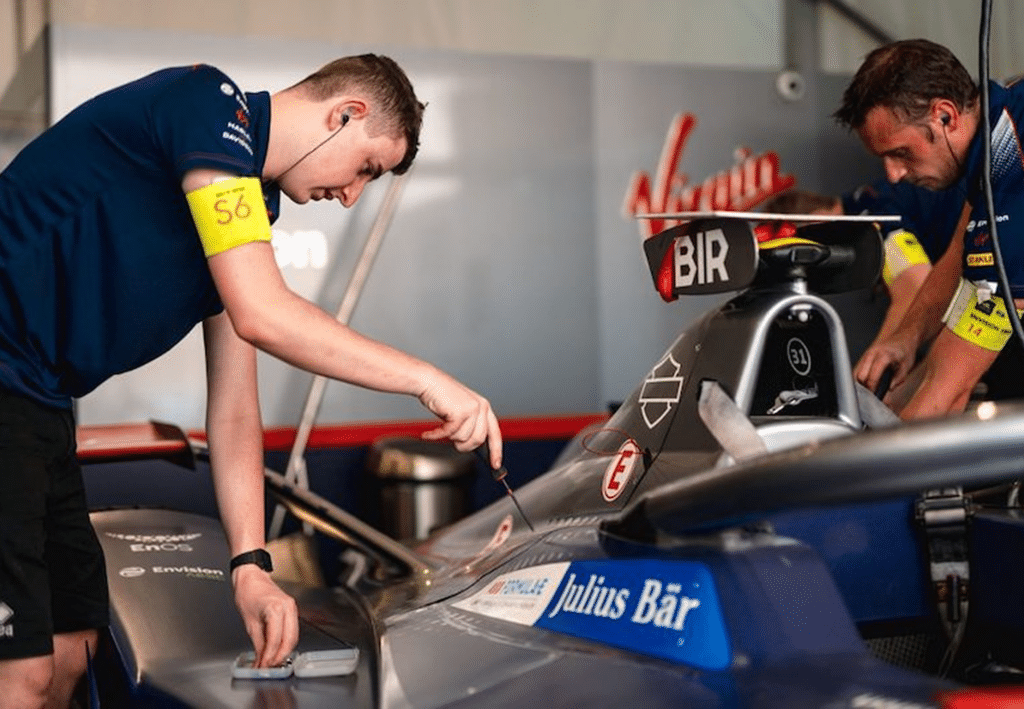
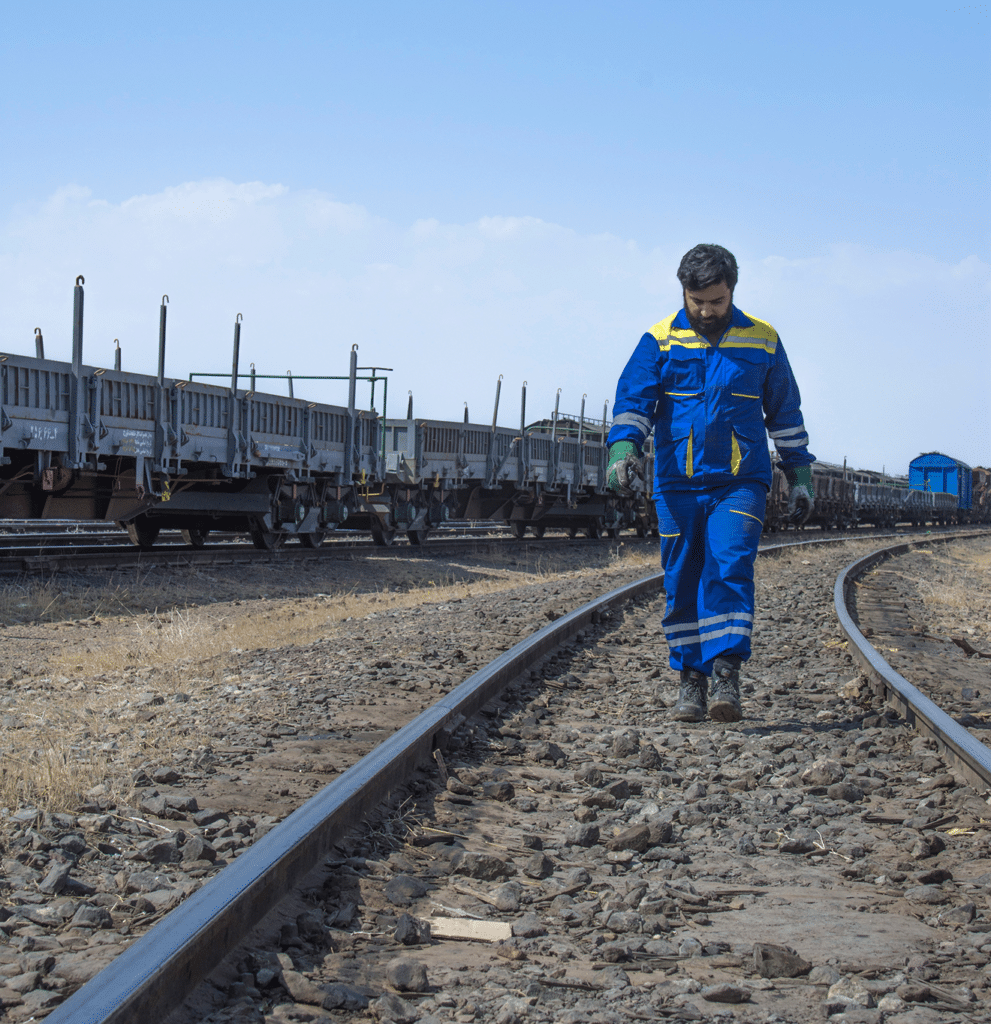
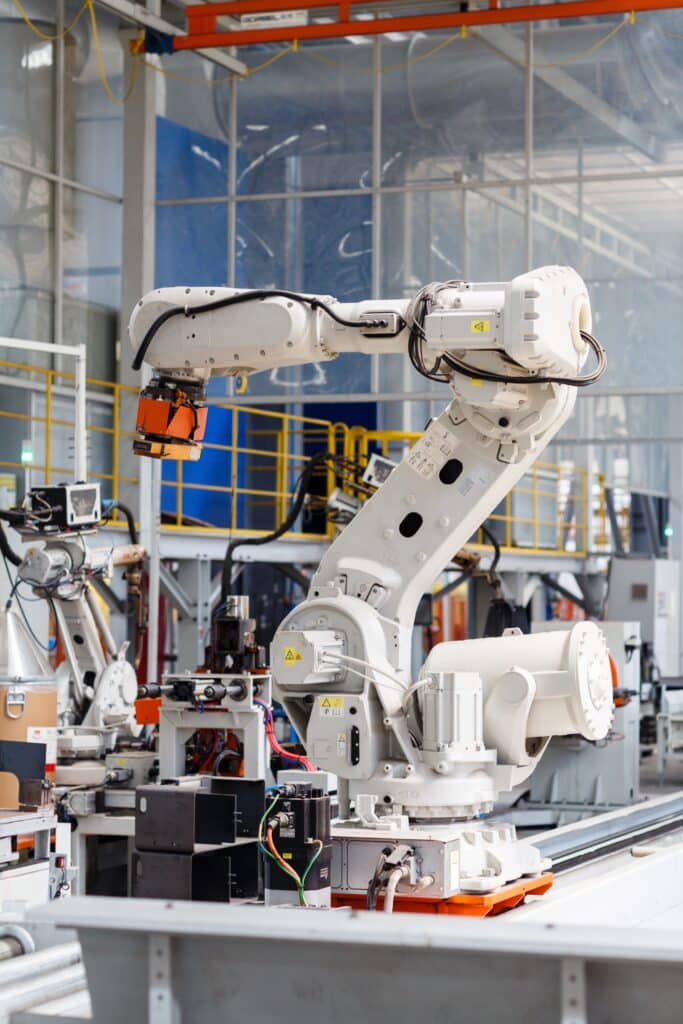
These components are used across a wide range of industries. Applications include automotive, aerospace, agriculture, construction, medical, electronics and rail.

They can be used in door mechanisms, locking systems, machinery and other equipment where controlled rotational force is required.

The spring design should reflect the application. Factors such as movement, torque, available space, material and operating environment can all affect the required specification.

Comprehensive Services & Support

Alongside spring manufacturing, we provide surface treatments, sub-assembly services and prototyping for development and testing.

Our wider manufacturing capabilities support projects from early design through to production.

We also manufacture compression springs and tension springs. This allows you to source different spring components from one supplier.

As experienced torsion spring suppliers, we can support standard and bespoke requirements. Contact our team or request a quote today to discuss your application, spring specifications and production needs.

Frequently asked questions

What Are Torsion Springs?

Torsion springs are a type of coiled spring that work via a rotational motion known as torsion. They are used when there is a need for rotational movements of components. 

The most common design for a torsion spring is the cylindrical wound design, which consists of a coiled metal wire, in a left- or right-hand, clockwise or anti-clockwise direction and usually has legs, to which a force can be applied. 

Torsion springs are usually mounted upon a Mandrel and the force is applied to the spring axially. The rotational motion allows a flexible object to store mechanical energy. This exerts a force, known as torque, in the opposite direction, proportional to the amount it is rotated. As components rotate around the centre of the spring, it will attempt to push them back to their original position. 

Torsion springs can be made single torsion or double torsion, which doubles the output force. 

Torsion springs have a linear spring characteristic, i.e. if a spring is turned 10˚ to provide torque of 1 Nmm, the same spring will provide a torque of 2 Nmm at 20˚ rotation. 

Torque is equal to force x leg length: M = F x A. The closer to the end of the leg the load is applied, the less counterforce is created. 

Single torsion springs consist of one coil and are suitable for applications with moderate torque needs. Double torsion springs combine two coils, which increases torque output and improves balance. 

  • Medical Devices: Torsion springs are used in hospital beds and wheelchair lifts, in addition to surgical and diagnostic equipment.  
  • Aerospace: Flight control surfaces, landing gear, and satellites are all examples of how torsion springs are used in aerospace.  
  • Agriculture: Torsion springs can be found in various agricultural machinery examples, such as combine harvesters, tractors, ploughs, and in fertiliser spreaders and sprayers. 
  • Everyday Items: Torsion springs have a variety of uses in everyday applications. For instance, within a door handle, where the spring returns the handle to its original position after being opened. The spring in a traditional clothes peg is also a torsion spring.  
  • Automotive: Torsion springs can be found in the return mechanisms of doors and fuel caps within brake systems, clutches, and suspension systems.  
  • Construction: These springs are used in many forms of construction equipment, within window and door mechanisms, and in safety locking mechanisms. 

Lifespans of torsion springs can vary depending on the application, material, and operating conditions. We recommend regular inspection and replacement after extensive use or visible wear. High-stress environments have the potential to shorten the spring’s longevity, so preventative maintenance is essential.

Torsion Spring Applications Across Different Industries

Here is an inclusive list of the main sectors and applications where Torsion Springs improve designs and make a positive difference.